
Why food processing creates complex information needs
Food businesses often need to track materials, finished goods, suppliers, production activity and financial performance at the same time. When those records are fragmented, it becomes harder to understand inventory positions, production needs and exceptions.
Areas where ERP can help
- Inventory and purchasing visibility
- Lot, batch and traceability-oriented workflows
- Planning around demand and supply
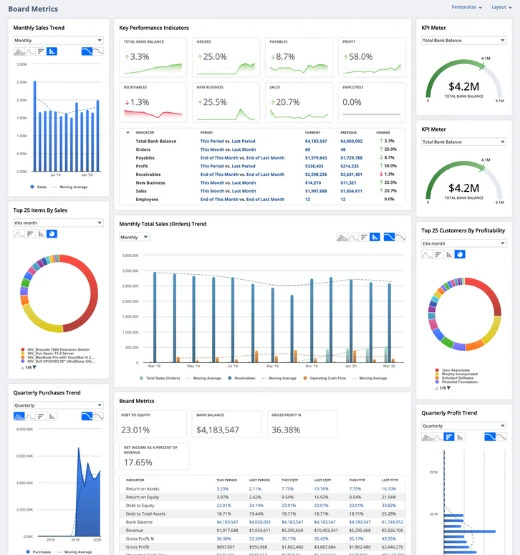
- Financial reporting connected to operational activity
- Consistent information across functions and locations
Implementation matters as much as software
The value of an ERP platform depends on data quality, process design, system configuration and user adoption. Food processors should map critical workflows first, then configure technology around those requirements rather than forcing operations into a generic template.
A phased approach can reduce disruption
Organizations do not always need to change everything at once. A staged roadmap can prioritize the most important operational gaps first and then expand integrations, reporting and automation over time.